“coffee climate” search results (13400)

Climate change affects coffee production. 25 million coffee farmers' livelihoods are threatened.
Extreme weather events and rising temperatures have a great impact on global coffee production. It is predicted that by 2050, the land suitable for Arabica coffee will be reduced by as much as 50%. Traditional coffee-growing areas, such as Vietnam, India and Central America, will be particularly hard hit. John Connor, chief executive of the Australian Climate Research Institute, said in a statement
2016-08-31 Climate change impacts coffee production 25 million livelihoods threats extremes
Climate change affects coffee production. 25 million coffee farmers' livelihoods are threatened.
Extreme weather events and rising temperatures have a great impact on global coffee production. It is predicted that by 2050, the land suitable for Arabica coffee will be reduced by as much as 50%. Traditional coffee-growing areas, such as Vietnam, India and Central America, will be particularly hard hit. John Connor, chief executive of the Australian Climate Research Institute, said in a statement
2016-09-09 Climate change impacts coffee production 25 million livelihoods threats extremes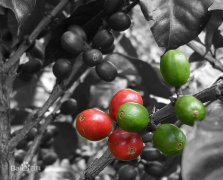
Scientists predict that wild coffee could lead to extinction in 2080 due to climate change
If you are still calmly drinking coffee and reading the news, you may not be able to calm down soon. If global climate change continues, plants from major coffee bean producers will be affected, unable to provide high-quality coffee bean products, and coffee could become extinct in 2080, according to Royal Botanical Gardens researchers. Through field visits and plant specimens, the researchers
2016-06-03 Scientists predict wild coffee will be caused by climate change 2080
Introduction of coffee growing environment in Rwanda with tropical climate characteristics
The characteristics of Rwandan coffee: the taste of Rwandan coffee is described as grass aroma, with tropical climate characteristics, this coffee presents a sweet fruit taste, it also makes people taste refreshing, clear, and fresh. Bourbon coffee grown in Rwanda is amazing for its sweet fruit. It is full-bodied, full-bodied, unrestrained and memorable.
2016-06-28 With tropical climate characteristics Rwanda coffee cultivation environment region introduction
El Salvador coffee producing area with subtropical forest climate
Savanna climate. Plain area belongs to tropical rain forest climate, mountain area belongs to subtropical forest climate. The annual average temperature is 25-28℃, the annual precipitation in mountainous areas is more than 1,800 mm, and that in coastal areas is about 1000 mm. May-October is the rainy season. Don't underestimate El Salvador's coffee production. In its heyday, it was the world's fourth-largest coffee producer, but decades of civil war nearly brought coffee down.
2016-06-24 mountain subtropical forest climate el salvador coffee region presentation tropical
Introduction of Colombian Coffee Flavor Manor in Colombia Coffee producing country with unique Climate
The National Coffee Management Association of Colombia, like the National Management Association of Kenya, is a model of coffee organization. Compared with other producing countries, Colombia is more concerned with developing products and promoting production. It is this, coupled with its superior geographical and climatic conditions, that makes Colombian coffee excellent in quality and delicious and famous all over the world. The status of coffee in Colombia comes from the following examples
2016-08-04 Unique climate Colombia coffee country flavor taste manor producing area introduction
Coffee planting method Coffee Origin Colombian Coffee
The suitable climate of Colombian coffee provides a real natural pasture for coffee. Coffee trees in Colombia are mainly cultivated in the Andes, on steep slopes about 1300 meters above sea level, where the annual temperature is about 18 degrees Celsius, annual rainfall is 2000 to 3000 mm, latitude 1-11-15, longitude 72-78 the suitable climate of Colombia provides coffee.
2016-05-22 Coffee planting method Origin Columbia suitable Climate
Introduction of Rwandan Coffee with Tropical Climate characteristics Lute Xilo producing area in the Western Province
The taste of Rwandan coffee is described as a grassy aroma with tropical climates. in addition to the sweetness of fruit, this coffee also gives people a feeling of freshness, clarity, and freshness. Bourbon coffee grown in Rwanda is amazing for its sweet fruit, full-bodied, unrestrained and lingering aftertaste. This kind of coffee is delicious.
2016-06-28 With tropical climate characteristics Rwanda coffee introduction western province Texi production
Climatic effect and character Identification of Coffee
1. The seed coat of small fruit coffee has been removed, oval or oval in shape, 8-10mm in length, 5-7mm in diameter, 3-4mm in thickness in the middle, raised abaxially, flat ventral, slightly curved longitudinal groove and paper seed coat marks. Raw products are yellow or dark green; baked products are dark brown with special aroma and slightly bitter taste. Astringent. two。 Medium fruit coffee seeds are slightly larger, ovoid, 9-11mm long, 7-9mm in diameter, dorsal
2014-08-08 Coffee climate influence character identification small fruit coffee seed removal seed coat
The mild climate of Colombian coffee growing environment introduces the taste of manors in Colombian coffee producing areas.
Colombia's mild climate, humid air, and diverse climate make it a harvest season all year round, with different kinds of coffee ripening at different times. What they grow is Arabica coffee beans of unique quality, and the coffee made from this coffee bean has a rich taste and endless aftertaste, which can be called fine coffee. Nowadays, many people combine Colombian coffee with high quality and delicious coffee.
2016-07-29 Climate mild Colombian coffee planting environment introduction producing area manor wind
Coffee in the cup depends on climate, pests and plant science.
Photo Source: Baidu Pictures A recent report on the impact of climate change on crop cultivation mentioned that the coffee crisis is already brewing, especially the highly praised Arabica coffee beans. A study published in PLOS One in April mainly simulated coffee cultivation in 21 different climatic conditions up to 2050, covering 60 tropical countries on both sides of the equator.
2015-07-08 Coffee in the cup depending on climate pests plants aspects science pictures sources
Abnormal climate in Costa Rica affects coffee production
According to the latest report released by the Costa Rican Coffee Authority, coffee production in the country has plummeted by nearly 30 per cent in the past decade, including a 15 per cent drop in 2011 compared with the same period last year. The report also pointed out that although the increase in production costs, price fluctuations in the international market and domestic policy changes have led to a decline in coffee production year by year, the main reason is the intensification of climate change. Costa Rica is the main coffee in the world
2014-04-27 Costa Rica climate anomaly impact coffee yield tube
The rich flavor of Colombian coffee describes the production process of the planting environment in the variety producing area.
Colombia has beautiful mountains and rivers, beautiful scenery, pleasant climate, spring all year round, fresh air and refreshing air. Colombia's mild climate, humid air, and diverse climate make it a harvest season all year round, with different kinds of coffee ripening at different times. What they grow is Arabica coffee beans of unique quality, and the coffee made from this coffee bean has a strong flavor.
2016-09-19 Taste full-bodied Columbia coffee flavor description variety producing area planting ring
What conditions do Rwandan coffee trees need to grow?
Rwanda throughout the multi-mountain and plateau, most of the region is a tropical plateau climate and savanna climate, mild and cool. With its natural conditions of high altitude and fertile volcanic soil, the country's fertile soil and favorable climate are conducive to plant growth. Rwanda is the only country in the world that can fully enjoy the harmony between soil, elevation and climate. In this unique
2016-05-25 Rwanda coffee growing needs available what conditions whole territory mountains
Introduction of American Hawaiian coffee beans with special growth and climatic environment
Such superior natural conditions make Arabica coffee in Kona produce more coffee than any other plantation in the world, and maintain high quality, unique growth and climate environment to create a stronger coffee flavor. But to the regret of coffee fans, only about 1400 hectares of Kona coffee is produced, although Hawaii is often affected by tornadoes.
2016-06-20 Growth climate environment United States Hawaii coffee beans introduction so superior since
Climatic conditions of coffee bean growing areas in Kenya how to roast Kenyan AA coffee beans to taste good
Kenya's climatic and geographical conditions provide unique conditions for the growth of high-quality coffee beans, which are located in eastern Africa, the equator runs through the middle, and the East African Rift Valley runs through the north and south. It is bordered by Somalia to the east, Tanzania to the south, Uganda to the west, Ethiopia and Sudan to the north, and the Indian Ocean to the southeast. The coastline is 536 km long. There are many plateaus in the territory, with an average elevation of 1500 meters.
2016-06-16 Kenya coffee geography climate conditions introduction Nyeri central Dashan
Colombian coffee beans with mild climate introduce the taste of Colombian coffee beans
Colombia's mild climate, humid air, and diverse climate make it a harvest season all year round, with different kinds of coffee ripening at different times. What they grow is Arabica coffee beans of unique quality, and the coffee made from this coffee bean has a rich taste and endless aftertaste, which can be called fine coffee. Nowadays, many people combine Colombian coffee with high quality and delicious coffee.
2016-07-22 Climate mild Columbia coffee beans characteristics flavor taste introduction
With the global warming, the production of boutique coffee may be reduced.
Half of the arable land needed to produce coffee will disappear by 2050. This is the result of a new research model that assesses how climate change will change the conditions under which coffee beans grow, such as temperature and rainfall. The researchers first acquired Arabica Coffee (coffeaarabica) and Robusta Coffee (coffea), the two main coffee species currently used in the world.
2014-12-26 With the earth climate warming boutique coffee production production reduction
With a humid climate, Rain Water's abundant Cuban crystal coffee
With fertile land, humid climate and abundant Rain Water, Cuba can be called a natural treasure land for coffee cultivation. The suitable natural conditions provide a favorable natural environment for the growth of coffee trees. Coffee is well cultivated and developed here, and the best coffee growing area in Cuba is located in the Central Mountains. Because in addition to growing coffee in this area, there are also precious minerals such as quartz and crystals.
2016-06-29 Climate moist Rain Water abundant Cuba Crystal Coffee introduction region
Introduction to Colombian Coffee with mild Climate and humid Air
Colombian coffee is divided into more than 200 grades, which means that the coffee is very regional. The country's coffee-producing areas are located in the Andes, where the climate is mild and the air is humid. Colombia has three Codiera mountains running north and south, right into the Andes. Coffee is grown along the highlands of these mountains. The mountain steps provide a diverse climate, and it is the harvest season all year round.
2016-06-30 Climate mild damp wet Columbia coffee introduction Colombia